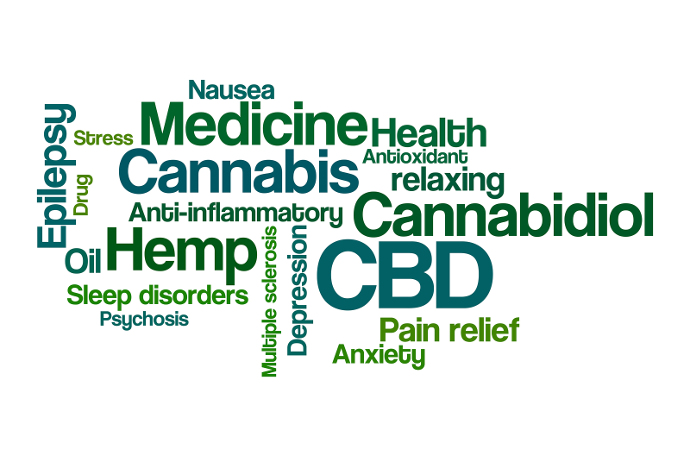
Figuring out how to maximize the therapeutic benefits of CBD is still a work in progress. To help get a clearer picture of the nuances of CBD’s efficacy, a California-based nonprofit called Project CBD interviewed 3,506 participants in relation to over 200 medical conditions and put together data regarding the “who, what, when, where and why of CBD,”
The study showed that CBD is not a panacea – as some would claim – for all that ails us. Some symptoms were decidedly less responsive to CBD products. For example, CBD was not particularly useful in helping people with gastrointestinal diseases maintain a healthy weight. Nor did it have much impact on PMS- related bloating, cancer-related diarrhea and constipation, or low sex drive during menopause.
Nonetheless, CBD proved astonishingly effective at simply making people feel better – most likely because of its impact on pain, mood, and sleep.
Project CBD will continue to collect data, and plans to update results regularly as well as publish in-depth reports on specific conditions. The hope is that the data generated can provide guidance for those seeking therapeutic relief and for those curious about where CBD research might lead.
Among the survey’s key findings are:
Majority Of Users Consume Hemp-Derived CBD
Given that marijuana-derived CBD remains illegal in many jurisdictions, hemp-derived CBD is the main alternative for CBD consumers. Tinctures and topicals were preferred over other delivery methods like smoking and edibles.
Lack of Dosage Parameters
Most consumers were unable to state how much CBD they were consuming, which speaks to the urgency of improving consumer education and product labeling.
CBD Mostly Used For Pain, Sleep, Anxiety
Inflammatory pain, mood elevation, sleep and general wellness were the main reasons cited for CBD consumption by the survey’s participants. Of all participants, almost 90% reported CBD was successful in improving their pain, stating a decrease in pain intensity of 60% —from an average pain score of 6.85 to 2.76.
When using CBD for sleep, participants reported an average of a two-thirds reduction in the time needed to achieve sleep, an average of 20 minutes versus over an hour.
Participants reported awaking an average of 1.4 times a night versus 4.3 without CBD.
In relation to anxiety and depression, 68% of respondents said their feelings of nervousness were “much better” after taking CBD medicine.
Multiple Conditions
Most participants reported using CBD to treat more than one condition: pain, mood swings, sleeping disorders and PTSD were closely related. The survey also found that CBD extremely helpful in helping participants stay off or decrease the consumption of opiates.
CBD Also Used For More Serious Conditions
Around 10% of participants reported using CBD for serious debilitating conditions like brain injuries, epilepsy, multiple sclerosis, cancer, autism spectrum disorder, Parkinson’s disease and Alzheimer’s disease. Those taking CBD for cancer related improvements in lessening chemo side effects such nausea and vomiting. A large number of participants also found CBD helpful in improving appetite, neuropathy and overall weakness.
Patients using CBD for brain injuries reported effectiveness in the relief of headaches, irritability and agitation.
Mild Side Effects
Forty percent of participants reported having one or more side effects. These were typically mild. The most common side effects were dry mouth, tiredness, dry or bloodshot eyes, and increased appetite.